
LEARN MIXING WITH PHIL TAN
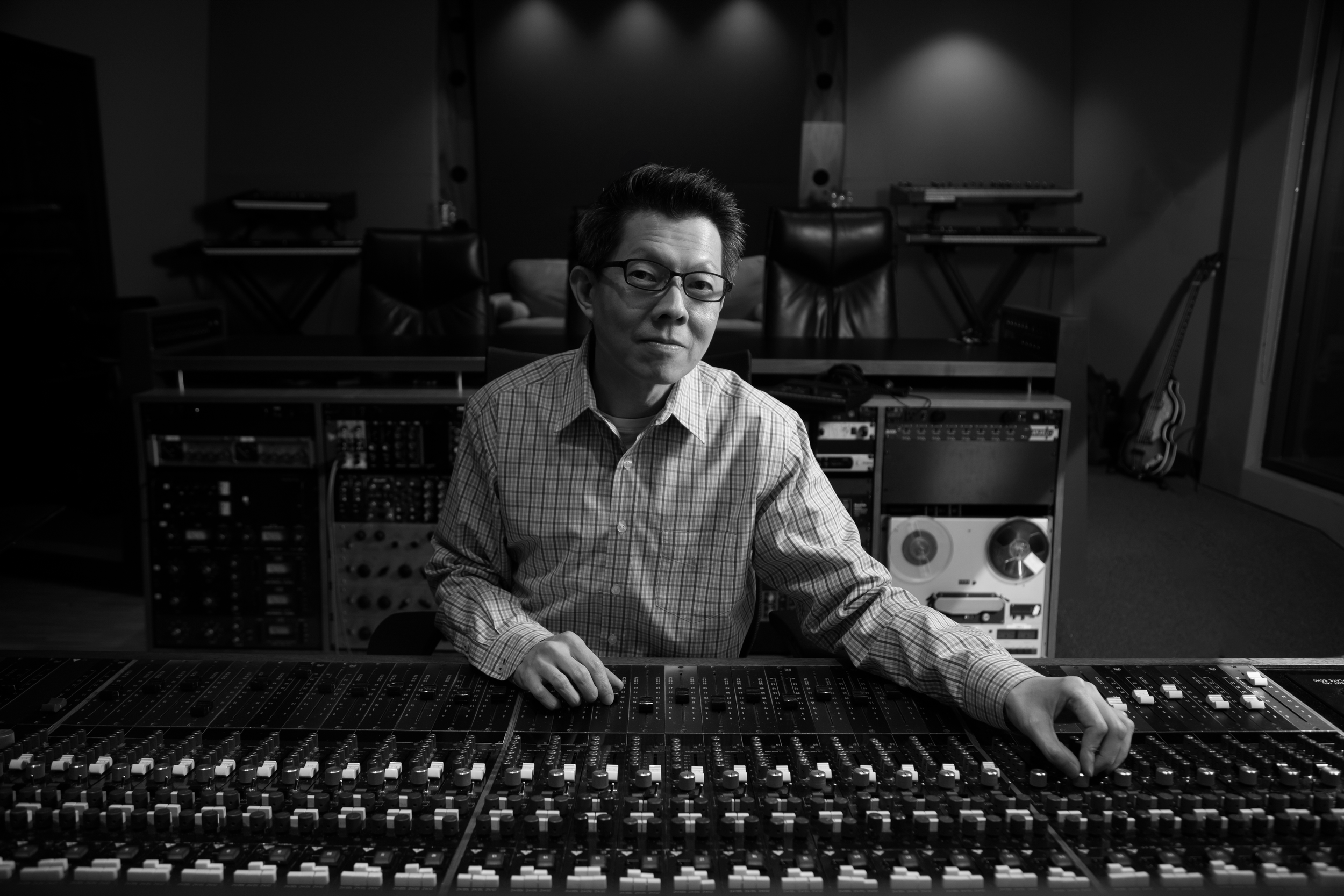
Photo by Jodi O
Learn how a world-class mix engineer listens, thinks and makes decisions.
Mixing is more than knowing how to use EQ and compression. It starts with understanding what you’re hearing, what the song needs, and how every decision can help communicate the record more effectively.
This four-part workshop series with 3× Grammy-winning mix engineer Phil Tan takes you through that process step by step, from setting up your listening environment and session workflow to reviewing participant mixes and exploring Phil’s own artist-approved sessions.
In Person · Edmonton
-
LISTENING ENVIRONMENT
Before you can make confident mixing decisions, you need to trust what you’re hearing.
Phil will discuss the importance of your monitoring environment and how your room, speakers and listening position can influence the decisions you make.
THE TOOLS
Understand the role of the essential tools used throughout a mix, including:
EQ
Compression
Reverb
Delay
Saturation
Automation
Other common processing tools
The focus is not simply on what each processor does, but why and when you would use it.
SESSION SETUP & WORKFLOW
A well-organized session makes it easier to focus on the music.
Phil will walk through practical approaches to:
Templates
Routing
Buses
Color coding
Track organization
Session preparation
Building an efficient mixing workflow
LEARNING HOW TO LISTEN
Before reaching for a processor, ask:
What am I hearing?
What is working? What is distracting? What feels missing?What is the song trying to say?
What is the emotion, message or intention behind the record?What can I do to help communicate that more effectively?
This approach shifts the focus from simply using plugins to making decisions that serve the song.
FUNDAMENTAL MIXING TECHNIQUES
Phil will demonstrate practical techniques used throughout professional mixes, including:
Parallel processing
Sidechaining
Bus processing
Creating space between elements
Building depth
Managing dynamics
Balancing competing sounds
DISCUSSION & Q&A
The workshop concludes with an open discussion and Q&A with Phil.
Bring your questions about mixing, workflow, listening, plugins, career experience or anything discussed during the session.
TAKE THE SESSION HOME
Everyone attending Part 1 will receive the session material used during the workshop so you can continue working with it afterward.
You’ll be able to open the session, experiment with the techniques discussed and create your own mix.
You’ll also receive supporting cheat sheets and PDF reference material to use while practicing.
-
After you’ve had time to work with the session material, Part 2 brings everyone back together to hear the results.
We’ll listen to participant mixes as a group, discuss the decisions that were made and identify what is working and what could be improved.
This session is built around:
Participant mix playback
Direct feedback
Comparing different approaches
Troubleshooting problems
Critical listening
Group discussion
Q&A with Phil
There is rarely only one correct way to mix a record. Hearing how different people approach the same material can be one of the most valuable parts of the process.
-
Once everyone has worked with the material themselves, Phil will walk through his own artist-approved version of the mix.
You’ll see how he approached the same session from beginning to end and explore the decisions behind the finished record.
The walkthrough may include:
Session organization
Balance and level decisions
EQ and compression choices
Vocal processing
Effects
Routing
Automation
Parallel processing
Problem solving
Creative decisions
How the mix developed from rough session to finished version
Rather than simply showing settings, the emphasis is on understanding why each decision was made.
-
The final session goes deeper into selected mixes from Phil’s career.
Using artist-approved material, Phil will open older sessions that offer interesting lessons in mixing, production and problem solving.
We’ll explore:
How the sessions were structured
Key processing decisions
Techniques used on vocals, drums and instruments
Challenges within the original recordings
Creative solutions
How Phil’s approach has evolved
Questions from the group
This is an opportunity to look beyond the finished record and see what was actually happening inside the session.
HOW THE SERIES WORKS
Part 1: Mixing Foundations
Learn the listening, workflow and technical fundamentals.
Part 2: Your Mix
Mix the supplied material and receive feedback.
Part 3: Phil's Mix
Compare your approach with Phil’s artist-approved version.
Part 4: Inside the Mix
Explore selected sessions and techniques from Phil’s career.
Parts 2–4 are available only after completing Part 1.
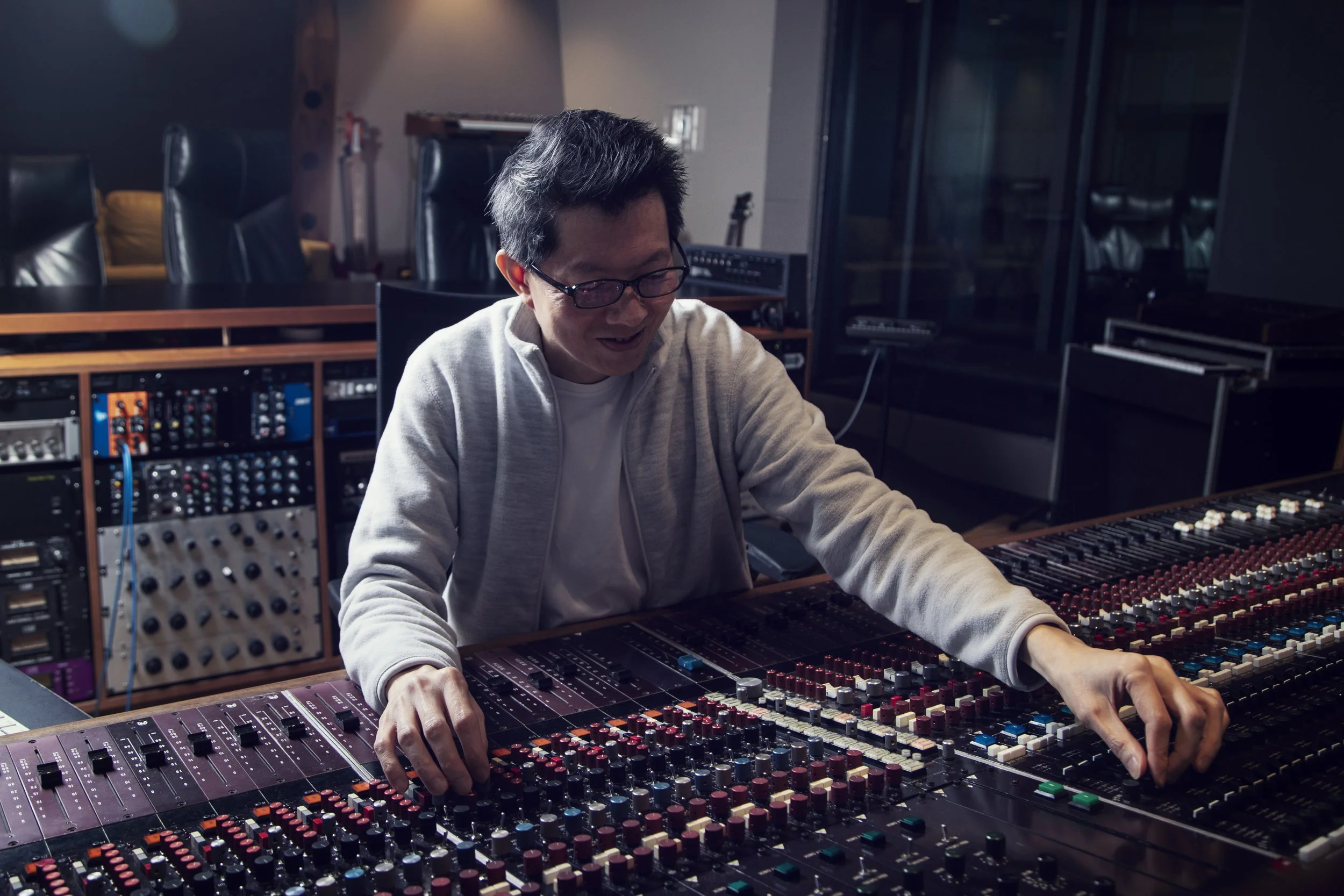
Billboard Hot 100 #1 Credits
| Artist | Song |
|---|---|
| Usher | Nice & Slow |
| Monica | The First Night |
| Usher | U Got It Bad |
| Usher | Burn |
| Usher | Confessions Part II |
| Usher & Alicia Keys | My Boo |
| Snoop Dogg feat. Pharrell | Drop It Like It's Hot |
| Gwen Stefani | Hollaback Girl |
| Mariah Carey | We Belong Together |
| Mariah Carey | Don't Forget About Us |
| Nelly feat. Paul Wall, Ali & Gipp | Grillz |
| Rihanna | SOS |
| Fergie | London Bridge |
| Ludacris feat. Pharrell | Money Maker |
| Sean Kingston | Beautiful Girls |
| Leona Lewis | Bleeding Love |
| Rihanna | Take a Bow |
| Rihanna | Disturbia |
| Rihanna feat. Drake | What's My Name? |
| Rihanna | Only Girl (In the World) |
| Katy Perry | Firework |
| Wiz Khalifa | Black and Yellow |
| Rihanna feat. Britney Spears | S&M |
| Rihanna feat. Calvin Harris | We Found Love |
| Rihanna | Diamonds |